
Peg Game – Play A Top Classic Puzzle Game Online














Introduction – The Addictive Challenge Of Game
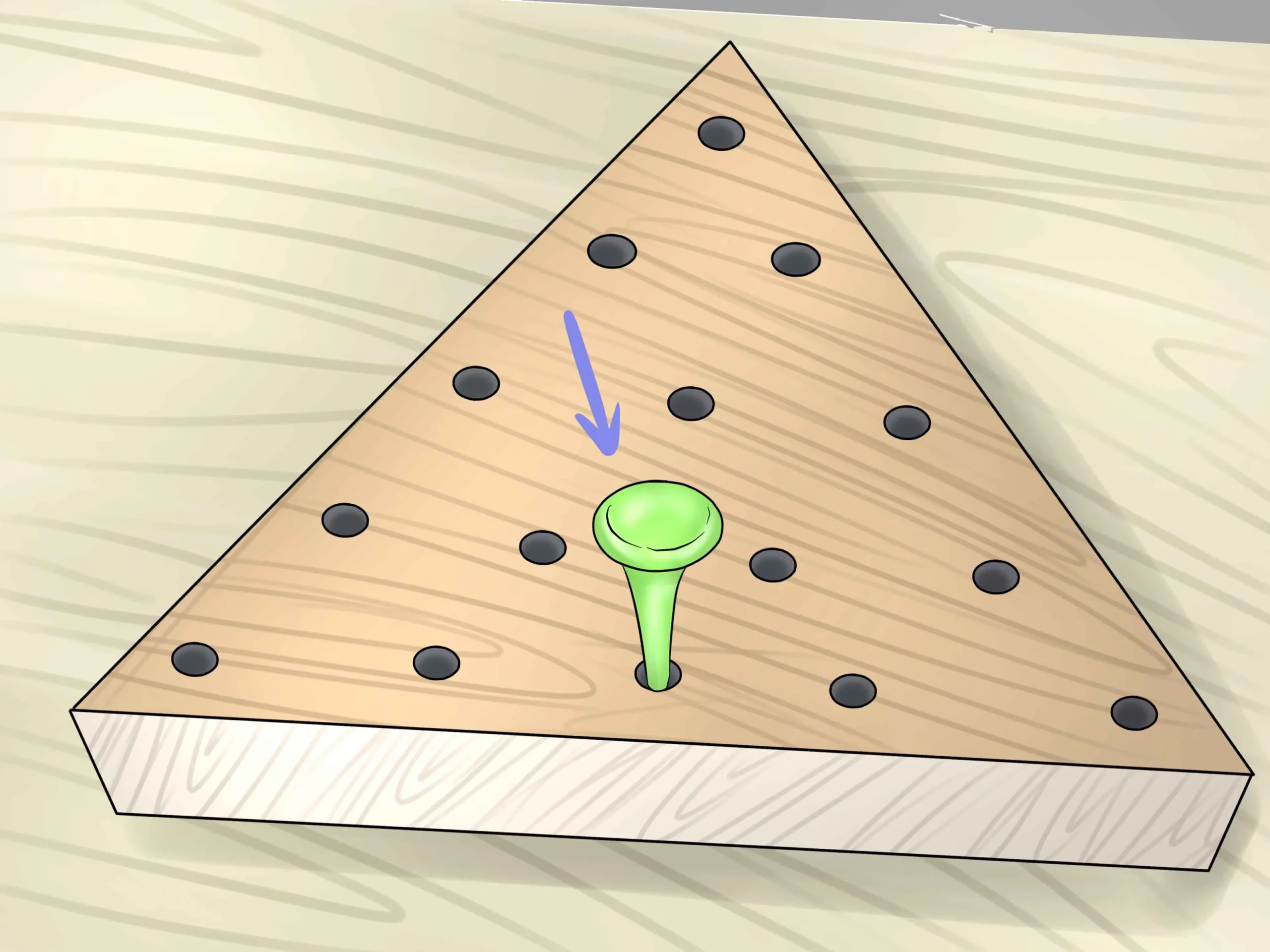
Ever sat at a Cracker Barrel table staring at a triangle full of pegs, wondering how in the world do I win this thing? Welcome to the game—a surprisingly challenging logic puzzle that’s as satisfying as it is frustrating. Whether you’ve called it Peg Solitaire or just that wooden triangle peg board game, this brain teaser has been testing players for centuries.
In this guide, we’ll break down exactly how to play the peg, share tips to help you win, explain different versions like the triangle game peg and mumbly game peg, and give you clear, beginner-friendly advice to master your strategy.
What Is The Peg Game?
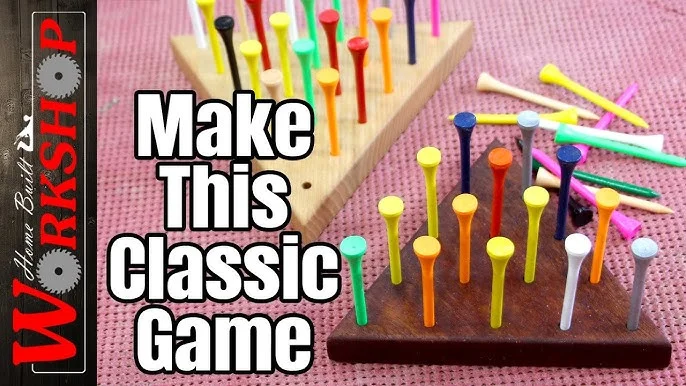
The game is a solo puzzle played on a wooden board filled with holes and pegs. Your job? Jump pegs over each other to remove them—like in checkers—until only one remains. Sounds easy? It’s not. Much like a challenging connect dots game, this puzzle tests your strategic thinking and patience, making each victory feel truly rewarding.
Fast Facts About The Game
| Feature | Description |
| Objective | Remove all pegs except one by jumping over them |
| Controls (Online) | Click a peg → Click empty hole → Jump |
| Platforms | Physical board or online (desktop/mobile) |
| Skill Level | Beginner to Expert |
| Teaches | Pattern recognition, strategic planning, patience |
Online Game Controls
| Action | Control |
| Select a Peg | Click on the peg |
| Make a Move | Click on an empty hole to jump to |
| Undo a Move | Some online versions allow a backstep or undo option |
| Reset the Board | Usually a “Restart” button |
Different Types Of Games You Can Try
You might be familiar with the triangle game peg, especially if you’ve visited a Cracker Barrel. But that’s just one version. Let’s look at some other fun setups you can explore:
1. Triangle Game
- Shape: 15-hole triangle
- Strategy: Great for beginners; smaller board but tight movement
- Difficulty: Medium
- Tip: Always think two steps ahead; avoid corner traps.
2. English Cross (Standard Board)
- Shape: Cross-shaped with 33 holes
- Difficulty: High
- Why it’s hard: More pegs mean more chances to mess up.
3. Snowflake And Hexagon Boards
- Shape: Intricate patterns with up to 60 holes
- Strategy: Ideal for advanced players who love a challenge
4. Mumbly Game (a different take)
While the mumbly peg game is often played with pocket knives and isn’t the same as Peg Solitaire, it’s another traditional “peg” game that challenges motor skills and guts—mostly popular in old-school schoolyards. For those interested in more modern challenges, games circuits offer a different kind of mental workout, combining strategic puzzles with fast-paced action across electronic and virtual platforms.
How To Win The Game – Strategy Tips For Every Player?
Winning the game isn’t just about luck. It’s about careful moves, pattern recognition, and planning ahead. Here are some beginner-friendly tips:
Smart Strategy:
- Avoid early corner jumps. Corner pegs are harder to reach later.
- Always leave a path. Don’t isolate pegs too soon.
- Work inward. Begin on the edges and move toward the center.
- Use symmetry. Mirror moves can reveal winning patterns.
- Restart without frustration. Most people don’t win on the first try!
Pro Tip: Try solving the game backward. Start with one peg and reverse-engineer the board to see how you might’ve gotten there.
Game Quick Reference Guide
| Topic | Info |
| Primary Goal | Leave just one peg on the board |
| Game Types | Triangle, English Cross, Snowflake, Hexagon |
| Key Strategy | Think ahead, avoid isolating pegs |
| Best For | Brain training, patience-building, solo entertainment |
| Similar Games | Solitaire card games, checkers, logic puzzles |
Why Are Games So Addictive?
The peg game hits the sweet spot between frustration and satisfaction. It’s challenging, but not impossible. Every failed attempt teaches you something new. It’s also quiet, solo, and perfect for short mental workouts.
What You Learn from Playing Peg Board Games
- Pattern Recognition: You’ll start noticing familiar layouts.
- Failure Tolerance: Losing is part of learning. Don’t quit—adapt.
- Strategic Thinking: Helps with real-world problem solving.
Bonus – Try It Online or On-the-Go
No board? No problem. You can play the game online peg—whether on desktop, mobile, or tablet. Many free versions let you choose board shapes, undo moves, and even track your progress. So you can keep playing until you master it.
Conclusion – Think You Can Win a Game?
You’ve got the rules, the tips, the strategies—and hopefully a few “aha!” moments. Now it’s your turn. Test your wits, challenge your patience, and see if you can leave just one peg behind.
Start playing the game today and unlock your puzzle-solving potential!
